Core store
Protect current revenue
Commerce Without Limits Conference 2027 Friday, August 20, 2027 Early registration is open now.
Register nowThe Commerce Without Limits Approach
Commerce Without Limits helps you keep your current store live while building more focused ways for customers to find, evaluate, and buy. Instead of forcing every opportunity through one storefront, you open clearer routes by customer type, buying need, market, category, and test.
Core store
Protect current revenue
New routes
Launch in parallel
Operating rule
Expand with clear control
The Problem
Flagship stores are built to protect revenue, hold broad trust, and keep operations stable. They become bottlenecks when they are also expected to carry every audience, every offer, every market, every experiment, and every new growth motion at the same time.
Too many buyers in one experience
Direct buyers, distributors, procurement teams, repeat customers, technical evaluators, and local-market demand all collide inside one generic path.
Too many growth jobs in one release queue
Campaign launches, SEO pages, pricing tests, parts flows, partner-safe routes, and new category pushes all compete for the same storefront surface.
Too much risk on the flagship store
Every new idea touches the same store that already carries trusted revenue, brand expectations, and operational stability.

Why it matters
Not because the market is too small, but because one storefront is trying to hold too many commercial realities at once. The result is diluted relevance, slower launch speed, and unnecessary risk on the store that already works.
How the approach works
This is the plain-language model behind Commerce Without Limits. Your current store stays live as the trusted commercial anchor. More focused routes launch around it to serve specific buying moments. Shared controls keep all of it measurable, promotable, and reversible.
Your core store
Your current store remains the stable commercial anchor: broad catalog access, trusted checkout, brand continuity, and current revenue flow.
Focused routes
New routes launch around the core store for specific customer groups, buying needs, markets, categories, campaigns, and tests.
Shared controls
Publishing rules, reporting, rollback, promotion, and brand standards keep expansion coordinated instead of chaotic.
Your Core Store
Your flagship store should do the jobs that benefit from stability: protect trusted revenue, hold broad catalog access, preserve brand continuity, and absorb the wins that deserve canonical placement. It should not have to absorb every speculative expansion idea first.
What the flagship protects
Revenue continuity
The core store stays live while new paths are tested around it.
Brand trust
The broadest, most recognized experience does not need to change every time growth work begins.
Operational stability
Checkout, catalog, support, and cross-functional dependencies remain dependable.
Canonical authority
When wins deserve permanent placement, the flagship can absorb them after they are proven.
Focused Routes
In practice, these are focused stores, pages, routes, or campaign paths around your core store. Each exists because a generalized storefront cannot serve that customer or buying moment as clearly.
Get found
Reach more high-intent buyers
Convert better
Improve response without risking your core store
Expand into more markets
Launch new markets, brands, and sales models
Keep customers buying
Support repeat orders and lifecycle value
Operate with control
Keep launches aligned and manageable
Where to Create Better Buying Paths
Buyer type
Who is trying to buy
Manufacturers, distributors, wholesalers, procurement teams, direct buyers, and repeat customers rarely need the same proof, pricing, or route to conversion.
Buyer intent
What they are trying to do
A comparison shopper, a replacement-parts buyer, a quote-seeker, and a repeat purchaser should not land in the same generalized path.
Region and market
Where the demand lives
National, regional, international, and hyperlocal opportunities often require different language, proof, promotions, shipping assumptions, and search surfaces.
How opportunities overlap
One path for trade buyers in a priority market can outperform a national generic page because pricing logic, assortments, and proof are sharper.
A launch-specific path can isolate one audience, one message, and one offer without forcing that experiment through the flagship store.
Parts and support demand becomes easier to capture when the path is shaped by exact-fit intent and local service confidence.
Buyer-specific routes
Direct, wholesale, distributor, B2B self-serve, dealer-assisted, and parts/service routes separate commercial relationships clearly.
Need-based routes
Discovery, comparison, procurement, replenishment, campaign, and problem-solution routes match the experience to the buying job.
Market-specific routes
Regional, international, hyperlocal, vertical, and category-specific routes help one brand win in different market realities.
Brand and test routes
Micro-brand, single-product, defensive, and test routes open new opportunities without destabilizing the core brand.
Tests and learning
New paths are not just additional pages. They are controlled test lanes for demand, messaging, pricing, routing, and merchandising. That is how the system learns without risking the flagship first.
Launch
Start with one sharp fork around a real opportunity: a category, a buyer group, a market, or a campaign.
Measure
Measure conversion, response quality, revenue contribution, SEO lift, route adoption, and market fit without the flagship masking the signal.
Promote or retire
Winners can remain independent, expand into adjacent paths, or move back into the flagship. Weak paths can be retired cleanly.
Control and standards
More paths only create leverage if ownership, naming, publishing, reporting, promotion, and rollback are explicit. Governance is not a slowdown layer. It is what makes branching growth safe enough to scale.
How it works
Commerce Without Limits works best when the business adopts a rhythm: identify structural opportunities, launch focused paths in parallel, measure them clearly, and promote or retire them deliberately.
Step 1
Map the flagship, identify structural pressure points, and score real growth opportunities before you launch anything new.
Step 2
Bring new paths live beside the flagship so revenue stays stable while expansion work moves faster.
Step 3
Watch each path by audience, intent, region, offer, and operational effect instead of blending every signal together.
Step 4
Use evidence to scale what works, retire what does not, and preserve the flagship as the trusted anchor.
Common growth scenarios
Use category, audience, and offer paths to widen search coverage without changing the main store.
Use regional and hyperlocal paths to take more share where the flagship brand already has proof.
Use market forks for language, region, logistics, and local demand fit instead of forcing one global experience.
Use brand and category forks when the opportunity deserves its own identity, offer framing, or search footprint.
Use focused challenger paths to capture intent the flagship cannot target cleanly on its own.
Best fit for
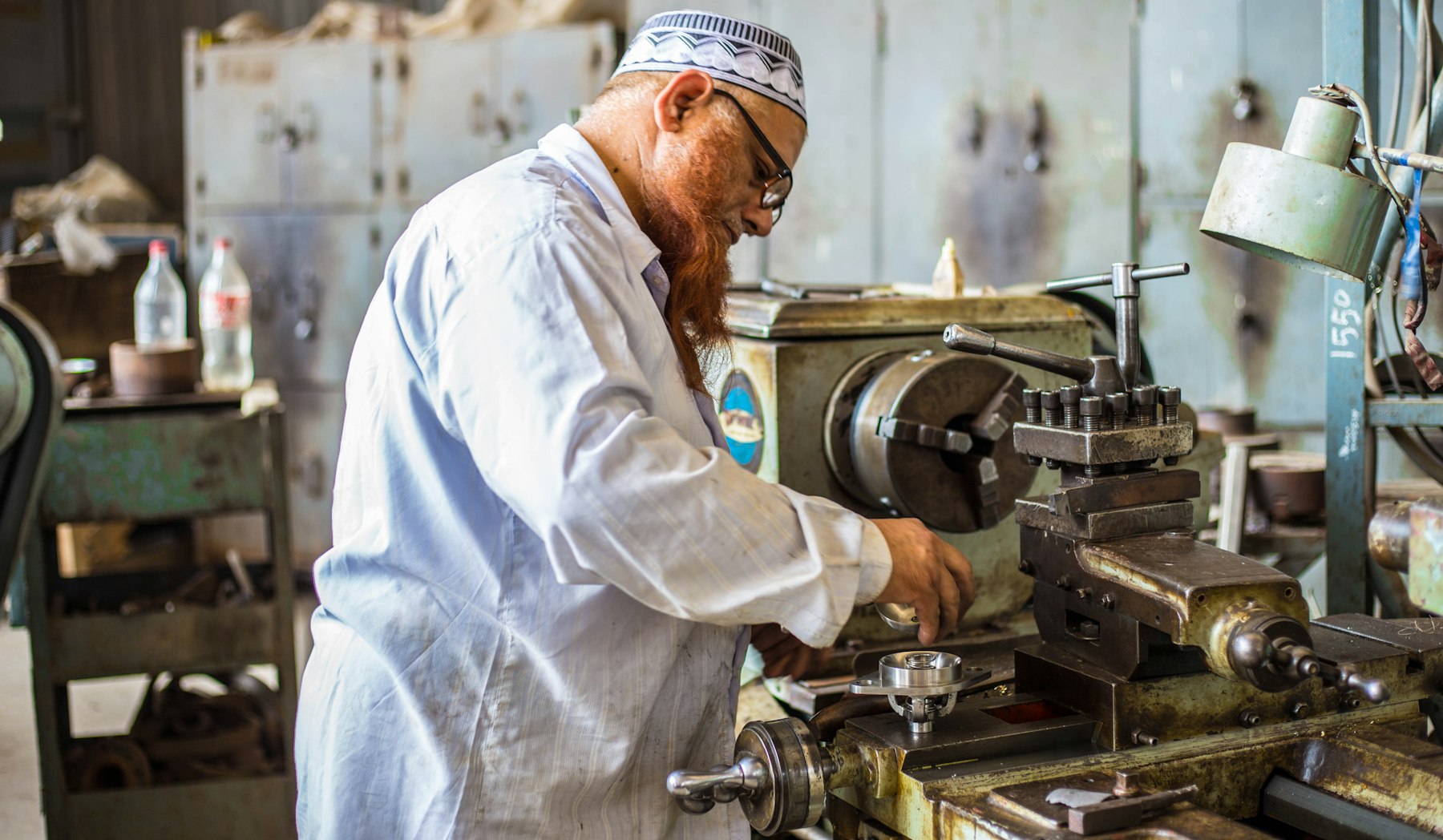
Separate direct demand, partner-safe routes, technical discovery, and installed-base revenue without throwing the whole catalog into one experience.
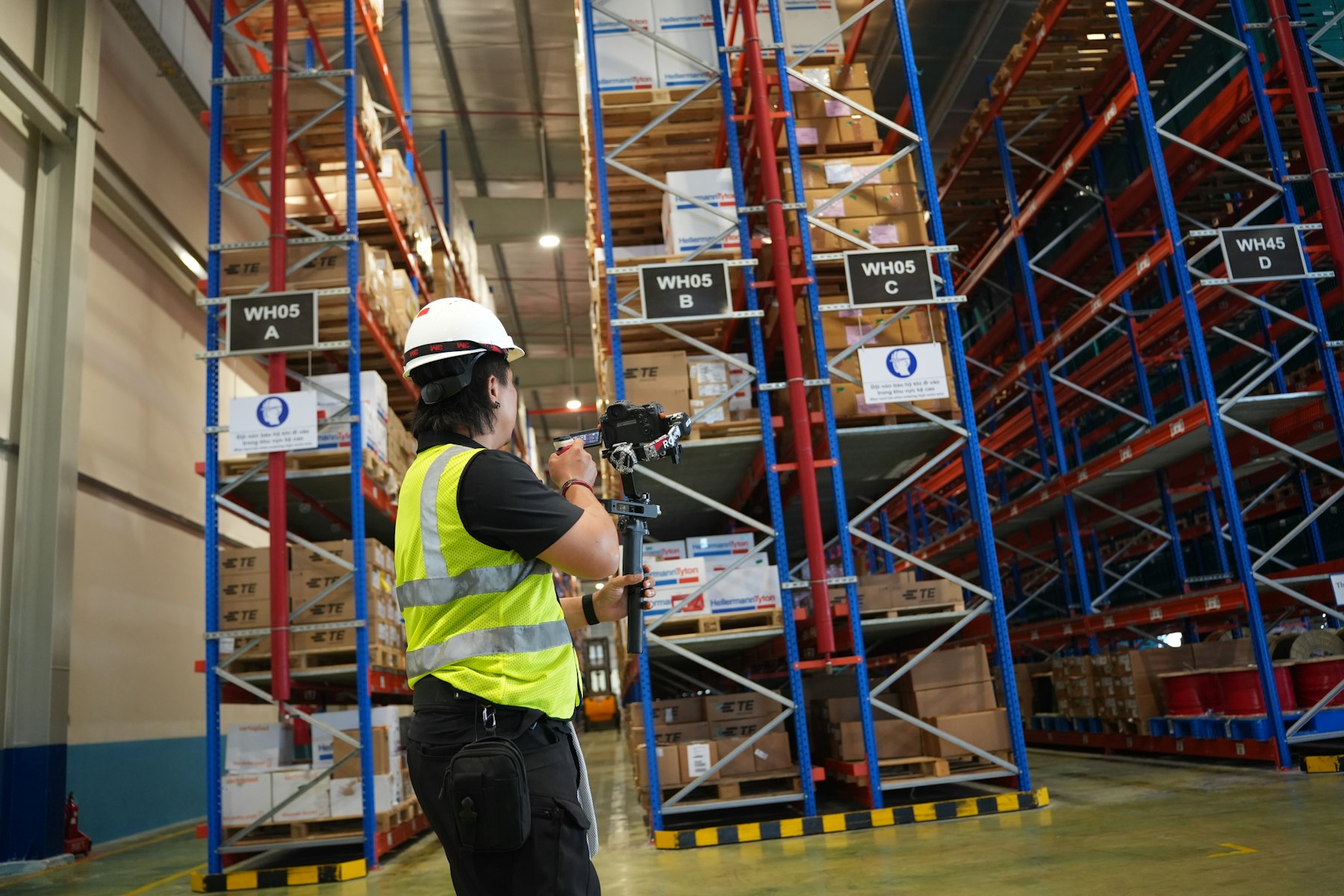
Open clearer self-service, reorder, quote, and territory paths while keeping ERP truth and account logic intact.
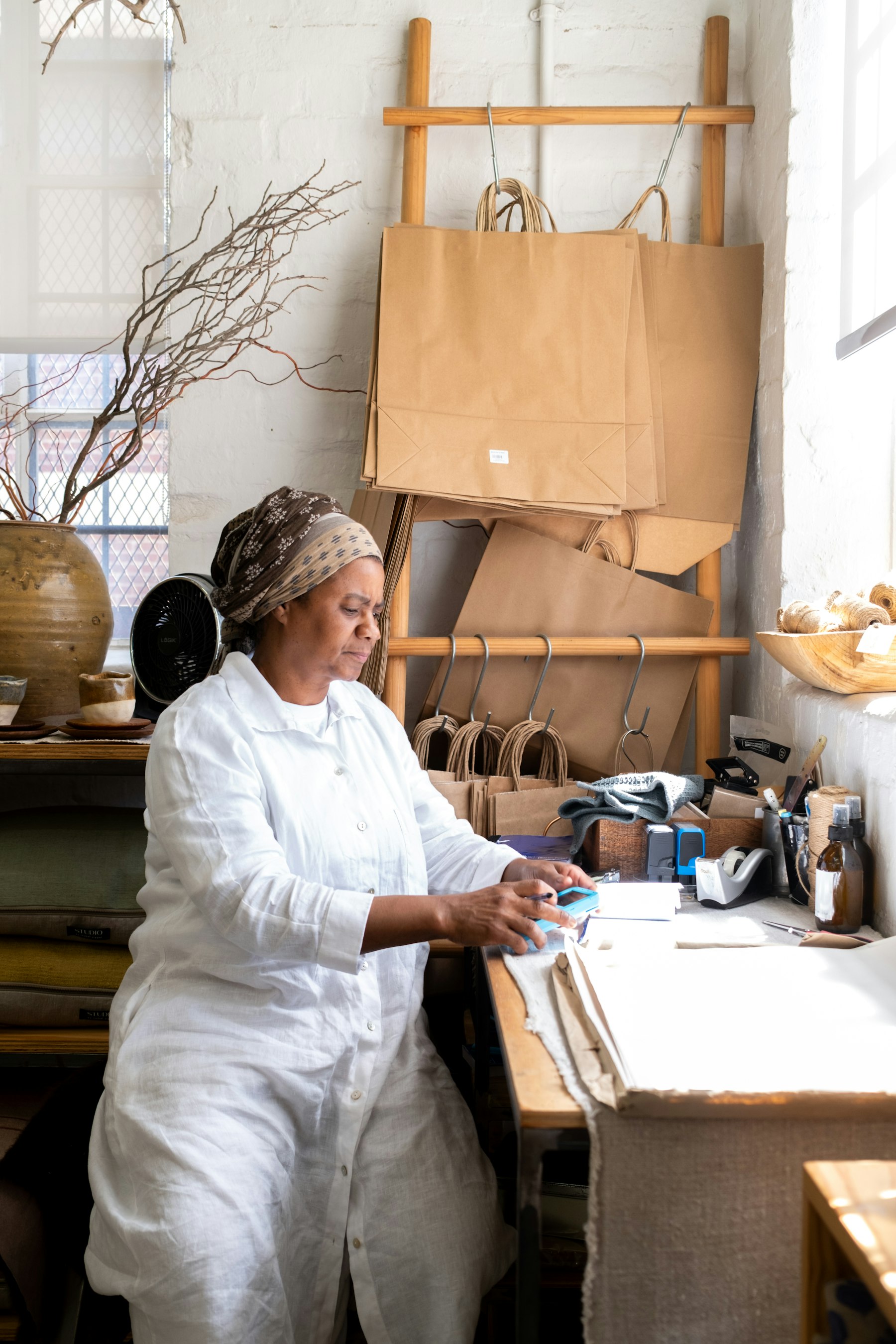
Launch more buyer-fit entry points, campaign surfaces, and category experiments without turning the main store into a crowded compromise.
Technology, enablement, and scale
This is where the technology story matters. Commerce Without Limits combines agentic commerce, AI-driven orchestration, and a commerce operating system so research, planning, infrastructure, processing, launch coordination, and growth execution can move far faster than a normal team backlog allows.
What does this look and feel like at scale?
At scale, this feels like one commerce operating system, not a mess of disconnected sites. Your core store stays stable while AI-driven orchestration helps coordinate research, planning, infrastructure, launches, measurement, and promotion across a growing portfolio of focused routes.
How do we do this without more team, and how do you enable it?
This is where the technology matters. Commerce Without Limits uses agentic commerce, AI-driven orchestration, and a commerce operating system to take on the heavy coordination work that normally demands more people. In plain terms, the system helps research the opportunity, plan the rollout, prepare infrastructure, process the work, and keep launches moving without forcing your team to manually manage every step.
How long does it take to get started?
The goal is speed without chaos. Commerce Without Limits can get started in about 10 minutes, then begin infrastructure setup, research, planning, and processing immediately. From there, the first wave can move fast: the system is designed to help stand up an initial 12 to 24 sites or focused routes as the early growth network takes shape.
Business impact
We use cookies that are necessary for core site functionality and, with your consent, analytics cookies to measure performance and improve the website. You can accept or reject non-essential cookies. See our Cookie Policy.